Get seen for the work you can deliver

A practical starting point for trades and small suppliers that want suitable opportunities without claiming reach they do not have.

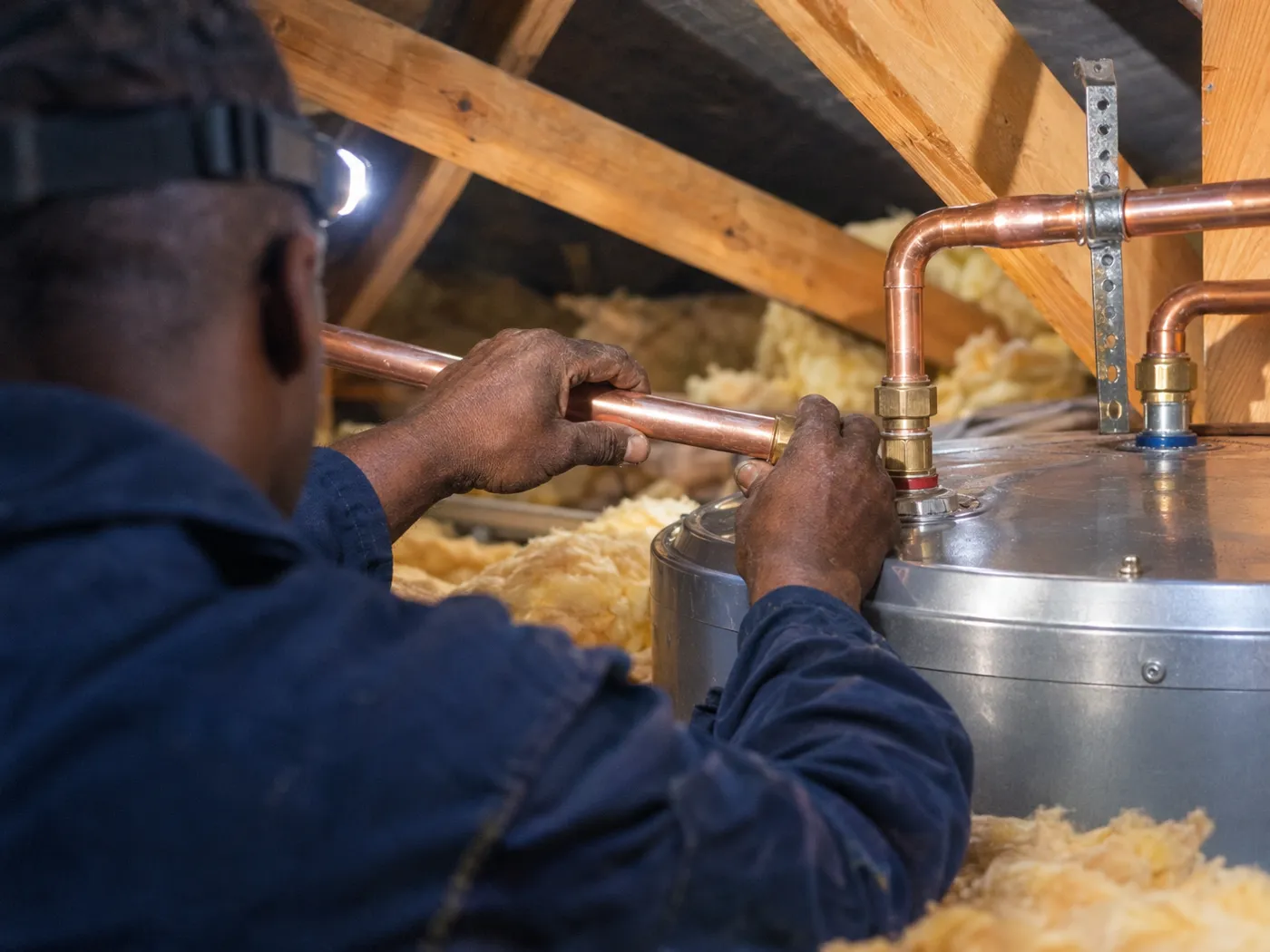
A plumber fitting copper pipe to a new geyser in a roof space

A good trade business often wins through repeat clients and word of mouth. That can leave the owner invisible to buyers who need a reliable electrical, plumbing, building, shopfitting, coatings or specialist service in a defined area. The problem is not always quality; it is a lack of a clear, current business profile and a route to the right conversation.

Small teams also have real limits. You may cover three suburbs well, have one crew available next month and decline work outside your practical area. Being pushed to claim a bigger footprint creates bad expectations. A reach-matched level lets you state what you can actually deliver, while evidence gives a buyer something better than a vague listing. Use a current capability statement so a buyer can test service, area and capacity.

The usual first move is to chase every enquiry or pay for generic visibility. That can fill the diary with unsuitable requests while leaving your capability unclear. We start with fit, evidence and acceptance criteria, then add optional support only where it helps your business present and operate better. List the exact work package before discussing whether another participant should join.

This is you if

  • Your profile does not show service area or capacity
  • You receive requests outside your practical reach
  • Buyers ask for evidence you keep rebuilding
  • You want to collaborate on work larger than one crew
  • Your website does not answer buyer questions
  • You need a clearer starting point than another directory

What you get

What trades and small suppliers get from us

  1. A verified business profileYour identity, services, evidence, capacity and area served organised for relevant consideration.
  2. Trade and Tradesman Directory entryA starting presence for suitable trade work, without pretending a listing is a contract.
  3. First consideration for fitYour capability considered when a need matches your verified service, reach and acceptance criteria.
  4. Participant introductionsA route to other businesses for referrals, joint bids, consortia and qualified opportunities.
  5. Business support optionsDiscuss support across leadership, intelligence, CRM, digital, design, property, procurement and training. The applicable scope and any fees are agreed in writing.
  6. A collaboration recordA factual record of participant collaboration, responsibilities and any written terms that apply.

Four steps, agreed in writing.

  1. Show the evidence

    We confirm who you are, who can sign, what you do, previous work, current capacity, area served and conflicts.

  2. Match the reach

    Your participation level reflects where you genuinely deliver, rather than an aspirational territory. Record the suburbs, crew size and earliest realistic start date.

  3. Present the fit

    We consider your profile for suitable needs and make introductions only where the fit and circumstances support them.

  4. Build carefully

    You can add services, improve buyer information and collaborate with other participants while keeping your own commercial control.

Clear roles from the first conversation.

You
Provide truthful evidence, keep your profile current, set rates and acceptance criteria, and decide which work or collaboration to accept.
The Dev 360 team
Check fit, maintain the panel, consider suitable capability and coordinate relevant introductions without promising an appointment.
A collaborating participant
Bring its own capability, capacity and commercial terms, then deliver the work it has agreed to undertake.

In the first month

  • Prepare identity, signatory, capability and previous-work evidence
  • Write the areas and work types you genuinely accept
  • Update your service description and buyer questions
  • Identify one capability gap a participant collaboration could cover

Not the right fit if

  • A business looking for guaranteed leads or contracts
  • A supplier unwilling to provide capability or identity evidence
  • A company claiming a reach it cannot reliably deliver

Track record

Capability put into context.

Examples of participation and practical support, without disclosing participants or live opportunities.

Introductions
Specialist capability matched to project needs.
Briefings
Participants brought into relevant conversations.
Proposals
Specialists prepared scopes and priced work.
Digital
Websites built to explain services and answer buyer questions.

Real movement, shown by stage.

Anonymised stories of participants getting into schemes, projects and new markets.

All the work
  • Introductions and proposals

    Making capability easier to connect.

    The PPP connects suitable capability to conversations where it can be useful.

    Where it stands: Introductions and proposals recorded. No appointment or completion is implied.

    Read the story
  • Sites built

    A website that works as hard as the business.

    Dev 360 builds participants the same kind of website it builds for itself.

    Where it stands: Website builds documented; publication varies by site.

    Read the story
  • Site assessment complete

    Finding where the water goes.

    A sectional title scheme needed to understand a gap between its water bills and recoveries.

    Where it stands: Findings and options prepared.

    Read the story

Questions from trades and small suppliers

Is the Trade and Tradesman Directory a public register?

No. The PPP does not maintain a public participant register. The entry is part of the panel's controlled, person-led consideration process, not a public promise that every visitor will see or appoint your business.

Can a small supplier move to Metro later?

A business can be considered for a level that matches its genuine delivery reach and evidence. The question is not simply whether you want a wider label; it is whether your people, capacity, service area and prior work support that reach.

Will the PPP set my rates?

No. Participants control their rates, acceptance criteria and whether to accept work. Transaction fees, where relevant, are agreed in writing before commitment and are never treated as a reason to hide the commercial decision.

Can you build my website?

Yes. Dev 360 can build a full website as a digital and web service, with scope in written terms. It can be planned around buyers, service pages, guides, answers and search readiness, with the scope and cost set out in your written terms.

How should we discuss collaboration terms?

Start with the buyer need, consent, roles, information boundaries and each business's acceptance decision. Ask what commercial terms apply and record them before commitment. A referral, joint bid or purchase should not be treated as an entitlement or promise of work.

Show what your trade can deliver

Bring your service area, evidence and current capacity. We will help you find the right participation starting point.